Are Above-Ground Storm Shelters FEMA-Approved? What You Need to Know
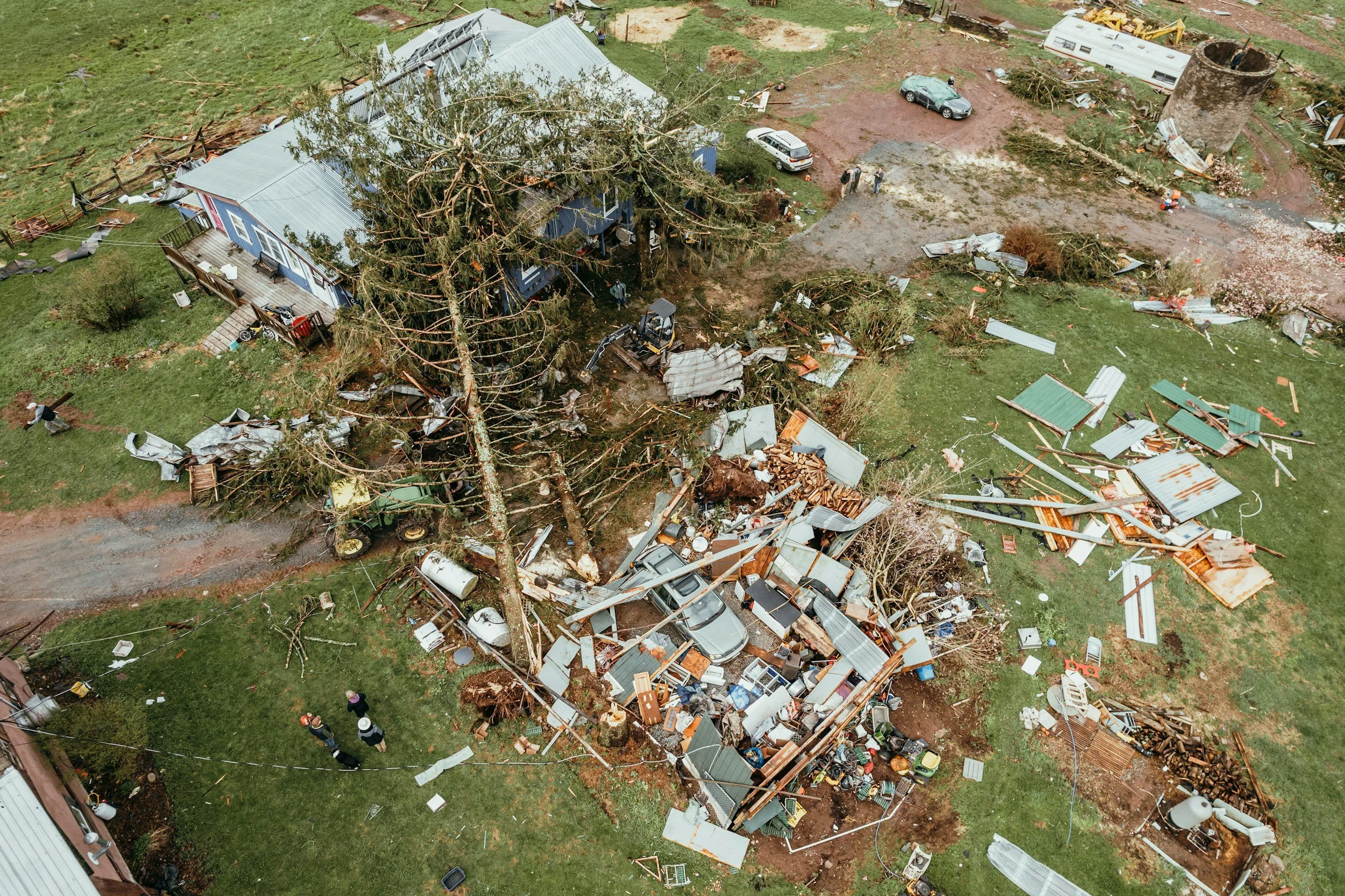
When considering a storm shelter, one of the most common questions homeowners ask is whether above-ground storm shelters are FEMA-approved. With severe storms and tornadoes posing real risks—especially in states like Florida—understanding safety standards is critical when choosing the right protection for your family.
The short answer: FEMA does not “approve” individual shelters, but many above-ground storm shelters are designed to meet or exceed FEMA guidelines. Here’s what that means and what you need to know before purchasing a shelter.
What Does “FEMA-Approved” Really Mean?
FEMA (the Federal Emergency Management Agency) does not certify or approve specific storm shelter brands or products. Instead, FEMA publishes design and performance guidelines that shelters must meet to provide life-saving protection during tornadoes and hurricanes.
These guidelines are outlined in:
FEMA P-320 – Safe Rooms for Tornadoes and Hurricanes
FEMA P-361 – Safe Rooms for Community and Residential Use
When a shelter is described as “FEMA-compliant” or “meeting FEMA standards,” it means the shelter has been engineered and tested to align with these published criteria.
Can Above-Ground Storm Shelters Meet FEMA Standards?
Yes. Above-ground storm shelters can meet FEMA guidelines when they are properly designed, constructed, and installed. In fact, many modern above-ground shelters are engineered specifically to comply with FEMA and ICC (International Code Council) standards.
To meet FEMA criteria, an above-ground shelter must withstand:
Tornado-force winds up to 250 mph
Extreme pressure changes
Impact from high-speed flying debris
Structural uplift and overturning forces
When anchored correctly to a reinforced concrete slab, above-ground shelters can provide protection equivalent to below-ground options.
Why Above-Ground Shelters Are Especially Practical in Florida
Florida’s high water table and frequent heavy rainfall make underground storm shelters difficult and expensive to install. Flooding, drainage systems, and waterproofing requirements often add complexity and cost.
Above-ground storm shelters eliminate these challenges while still meeting FEMA design guidelines. They are also well-suited for Florida’s common slab-on-grade home construction, making them a practical and effective safety solution for many homeowners.
ICC 500: Another Key Safety Standard
In addition to FEMA guidelines, many shelters are designed to meet ICC 500, the International Code Council’s Standard for the Design and Construction of Storm Shelters.
ICC 500 is often referenced by local building codes and provides detailed requirements for:
Wind load resistance
Impact testing
Door and ventilation performance
Anchorage and structural integrity
An above-ground shelter that meets ICC 500 is widely recognized as providing high-level storm protection.
Installation Matters as Much as Design
Even the strongest shelter will not perform properly if it is not installed correctly. FEMA-compliant shelters must be:
Anchored to a properly reinforced concrete slab
Installed according to manufacturer specifications
Placed in an accessible location within the home or garage
For Florida homeowners, professional installation is essential to ensure the shelter performs as designed during extreme weather events.
What to Ask Before Buying an Above-Ground Storm Shelter
Before purchasing a shelter, ask these important questions:
Does the shelter meet FEMA P-320 or P-361 guidelines?
Is it designed to comply with ICC 500 standards?
Has it been tested for wind speed and debris impact?
Will it be professionally installed on a reinforced slab?
Reputable shelter providers should be able to clearly answer these questions and provide documentation.
Final Thoughts: Choosing a Shelter You Can Trust
Above-ground storm shelters can provide FEMA-compliant protection when designed and installed properly. For Florida homeowners, they offer a practical, accessible, and reliable solution without the complications of underground construction.
Understanding what “FEMA-approved” really means empowers you to make an informed decision—one that prioritizes safety, compliance, and peace of mind.
If you’re considering a storm shelter for your Florida home, choose an above-ground option that meets FEMA and ICC standards and is installed by the experienced professionals at Stay Safe Shelters.