
Can Above-Ground Storm Shelters Withstand Category 5 Hurricanes? What Central Florida Homeowners Need to Know
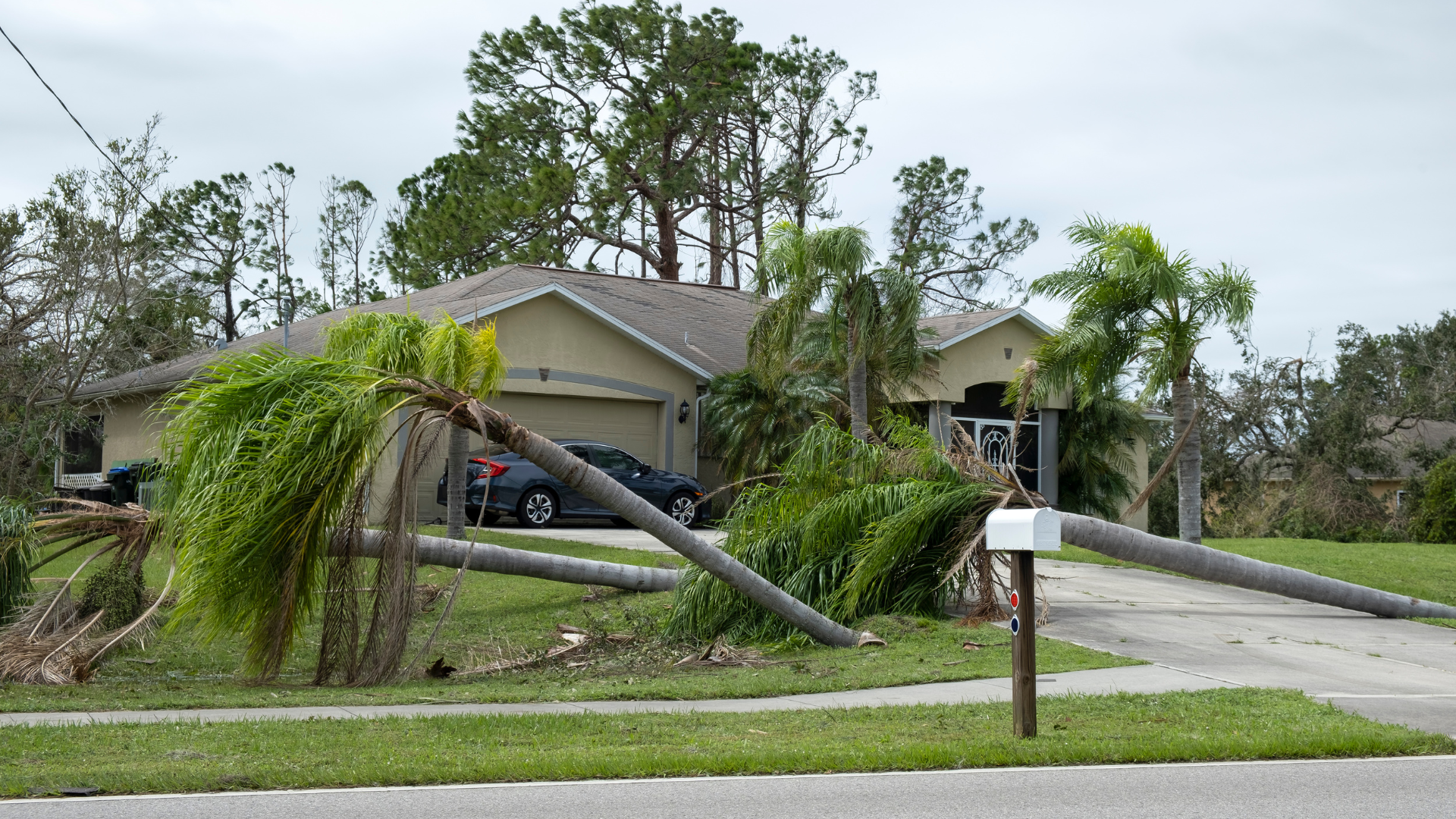
When peak hurricane season hits Central Florida, homeowners face a critical question: Will an above-ground storm shelter actually keep my family safe during a Category 5 hurricane?
With sustained winds exceeding 157 mph and sudden, violent tornadoes spinning off major storms, skepticism is natural. Misconceptions persist that underground is the only safe place to be. However, engineering advances and rigorous testing standards have made modern above-ground safe rooms every bit as strong—and in Florida, often much safer—than underground alternatives.
Here is the science, testing, and practical reality behind above-ground storm shelter protection.
The Engineering Standard: FEMA P-320 & ICC-500
Not all steel boxes are built equal. To withstand a Category 5 hurricane or an EF5 tornado, a shelter must meet strict testing guidelines established by the Federal Emergency Management Agency (FEMA P-320) and the International Code Council (ICC-500).
To earn certification, above-ground safe rooms undergo extreme impact and wind load testing:
250 MPH Wind Resistance: Certified units are structural powerhouses engineered to withstand extreme wind velocity without shifting, tipping, or collapsing.
Debris Impact Testing: The primary danger during a major hurricane isn't just wind—it's flying debris. Testing facilities shoot a 15-pound 2x4 wooden plank at 100 mph directly into the shelter walls and door. Certified shelters must prevent penetration completely.
Concrete Slab Anchoring: Shelters are secured directly into your garage or home's reinforced concrete slab using industrial-grade anchor bolts, locking the unit down against intense uplift forces.
The Florida Problem: Above-Ground vs. Underground
In many parts of the country, digging a storm cellar is standard practice. In Central Florida, however, underground shelters come with significant hazards due to local geography:
1. High Water Tables & The "Florida Float"
Florida's water table sits remarkably close to the surface. Heavy rainfall from a major storm quickly saturates the ground, creating immense hydrostatic pressure. Underground units that aren't anchored in thousands of pounds of poured concrete risk popping out of the earth like a cork—damaging surrounding property and rendering the shelter useless.
2. Immediate Flooding Risks
Torrential hurricane rainfall can submerge storm cellar doors in minutes, trapping occupants inside or flooding the shelter before you even step through the door.
3. Rapid Access
Tornado warnings accompanying hurricanes often give families only seconds to react. Reaching an above-ground safe room in your garage or interior room takes seconds—eliminating the need to run out into dangerous winds, rain, or slick yards.
Essential Features of a Category 5 Rated Safe Room
If you are evaluating safe rooms for your home, ensure your installation includes:
Triple-Locking Steel Doors: The door is the most vulnerable point of any structure. Look for heavy-gauge steel secured with heavy-duty deadbolts.
Ventilation Protection: Intake vents designed to allow continuous airflow while preventing debris from penetrating inside.
Accessibility: Ground-level entryways that easily accommodate wheelchairs, strollers, elderly family members, and pets.
Real Peace of Mind, Installed in Just One Day
An above-ground safe room built to FEMA and ICC-500 standards doesn't just stand up to Category 5 hurricanes—it gives your family a fortress right inside your home. With most professional installations completed in as little as one single day, preparing for the next big storm has never been easier.
Protect What Matters Most
Don't wait for the next storm warning to evaluate your family's safety plan. Contact Stay Safe Shelters today or call (352) 659-SAFE to schedule your free, no-obligation home assessment.