Hurricane vs. Tornado: How Above-Ground Shelters Handle Both
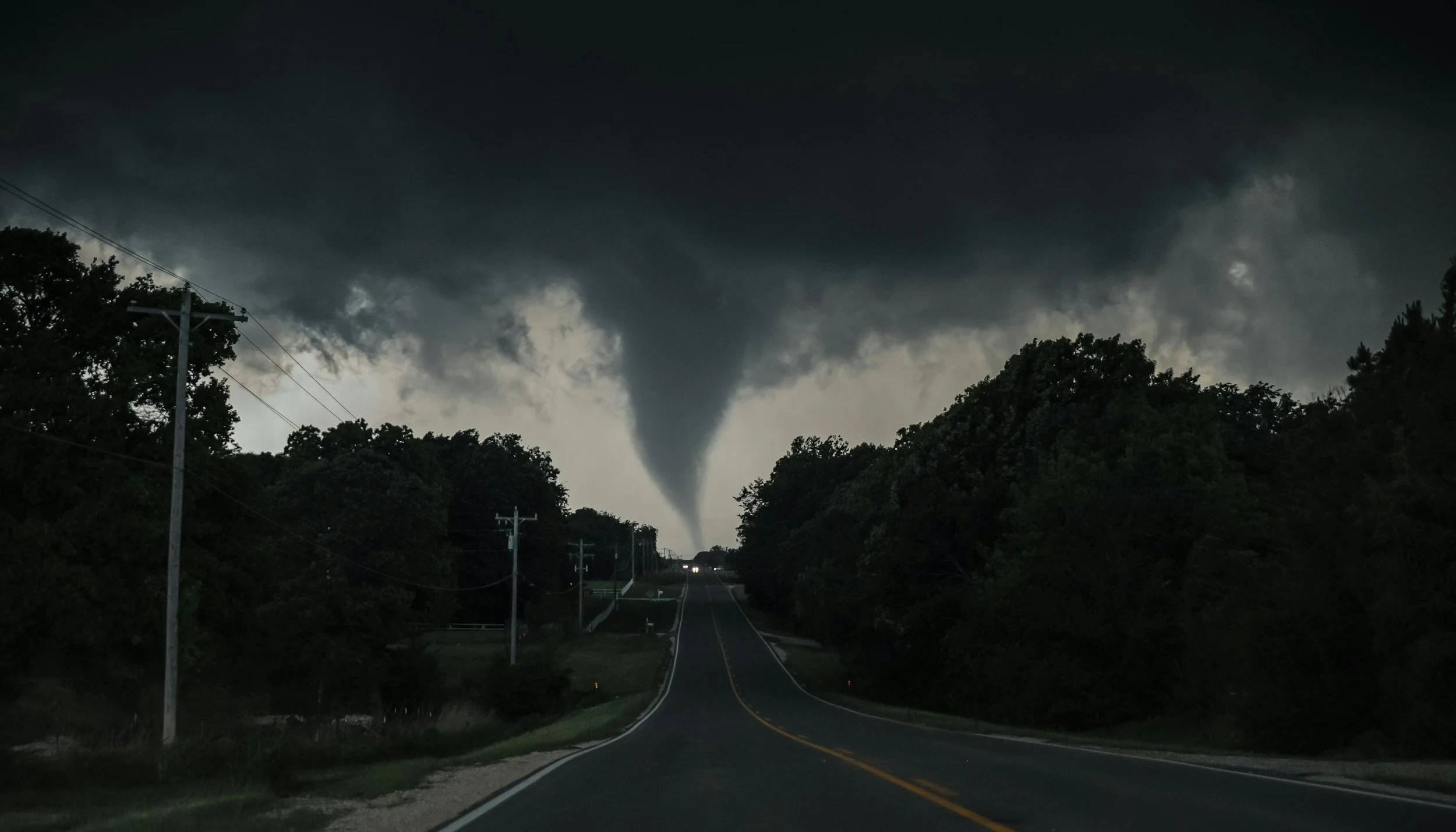
Living in Florida, we are no strangers to severe weather. However, many homeowners don't realize that the forces exerted by a hurricane and a tornado are fundamentally different—and your storm shelter needs to be engineered to survive both.
At Stay Safe Shelters LLC, our above-ground units are designed to meet the rigorous FEMA P-320 and ICC-500 standards, ensuring your family is protected no matter what the sky throws at you.
1. Sustained Winds vs. Sudden Impact
Hurricanes: These are "marathons." They bring hours of sustained high winds that can compromise the structural integrity of a standard home. An above-ground shelter acts as a "house within a house," anchored to your slab so it remains standing even if the surrounding structure is damaged.
Tornadoes: These are "sprints." The danger isn't just the wind speed, but the missiles—debris like 2x4s or roof tiles traveling at over 100 mph. Our shelters are tested to withstand these high-impact strikes that would pierce standard drywall or wood.
2. The Danger of "The Lift"
Tornadoes create intense low pressure that can actually lift structures off the ground. This is why anchoring is the most critical part of an above-ground installation. We use heavy-duty, industrial-grade bolts to secure your shelter into a reinforced concrete slab, ensuring it stays exactly where it belongs.
3. Why Underground Isn't Always Better in Florida
While underground shelters offer debris protection, they face unique challenges in the Sunshine State:
Flooding: Hurricane-related storm surges or heavy rains can quickly flood an underground space.
The Water Table: Florida’s high water table can actually cause underground tanks to "pop" out of the ground like a cork in a bottle.
The Bottom Line
An above-ground safe room provides the impact resistance needed for tornadoes and the structural stability required for hurricanes, all while remaining easily accessible for seniors, children, and pets.