
What to Pack in Your 72-Hour Storm Kit
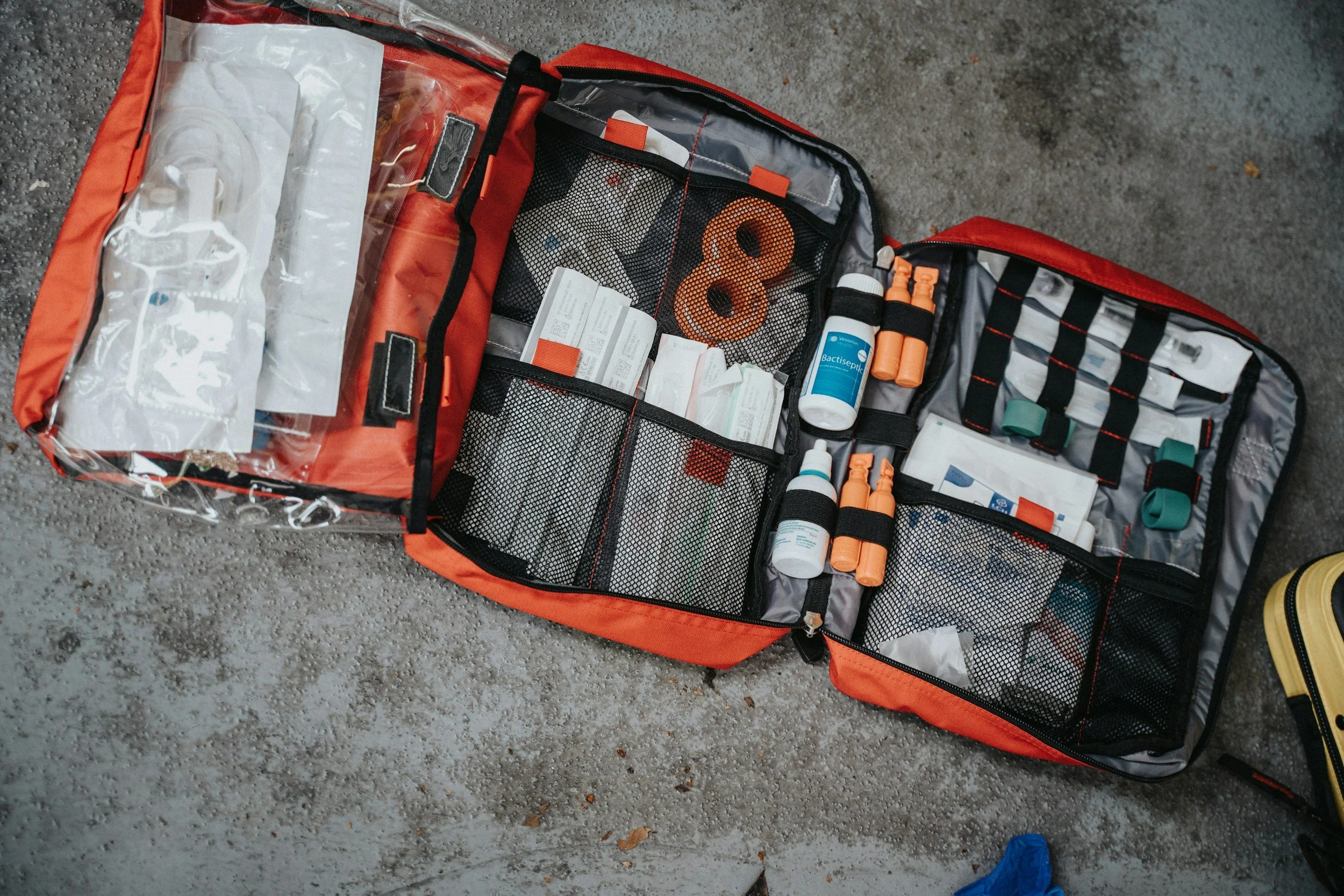
When a severe weather warning is issued, the last thing you want to do is scramble for supplies. By keeping a pre-packed kit inside (or near) your above-ground safe room, you can focus on getting your family to safety.
1. The Essentials: Water and Non-Perishable Food
The "72-hour" rule exists because it can take up to three days for emergency services to clear debris and reach residential areas.
Water: Pack one gallon per person per day for drinking and sanitation. Don't forget extra for pets!
Food: Stick to high-protein, calorie-dense items that don't require cooking. Think canned meats, protein bars, peanut butter, and dried fruit.
The "Manual" Hero: Always include a manual can opener. A stash of canned beans is useless if the power is out and your electric opener won't work.
2. Communication and Light
In a hurricane or tornado, cellular towers often fail, and the grid goes dark.
NOAA Weather Radio: A battery-powered or hand-crank radio is your only reliable link to emergency broadcasts.
Flashlights & Headlamps: Avoid candles (fire hazard!). LED headlamps are ideal because they keep your hands free.
Extra Batteries: Store them in a waterproof bag.
Portable Power Banks: Keep your devices charged as long as possible to communicate with loved ones.
3. Medical Supplies and Hygiene
Safety goes beyond the storm itself; minor injuries need to be treated immediately to prevent infection.
First Aid Kit: Ensure it includes bandages, antiseptic wipes, aspirin, and tweezers.
Prescription Medications: Keep at least a 7-day supply of essential meds in your kit.
Sanitation: Moist towelettes, garbage bags, and plastic ties for personal sanitation.
4. Important Documents and Cash
If you have to leave your home quickly after a storm, you’ll need your "paper trail." Store these in a waterproof, portable container:
Copies of insurance policies and ID cards.
Bank account records.
Cash: If the power is out, credit card machines at gas stations and grocery stores won't work. Small bills are best.
5. Comfort and Safety Items
If you are spending several hours in your Residential Safe Shelter, comfort helps keep stress levels down.
Blankets or Sleeping Bags: Even in Florida, post-storm nights can get damp.
Sturdy Shoes: Keep a pair of boots or sneakers near the shelter to protect your feet from broken glass or debris afterward.
Items for Children: Pack a few "non-tech" toys like cards, coloring books, or board games to keep kids calm during the noise of the storm.
Is Your Shelter Ready?
A 72-hour kit is your lifeline, but it works best when paired with a FEMA-compliant safe room. If you’re still relying on a "safe-ish" closet or a bathroom, it’s time to upgrade your home's defense.
Contact Stay Safe Shelters LLC at (352) 659-SAFE or visit our Contact Page to discuss installing a professional-grade shelter in your garage or home today.