Storm Safety for Schools: Why Above-Ground Shelters Make Sense on Campus
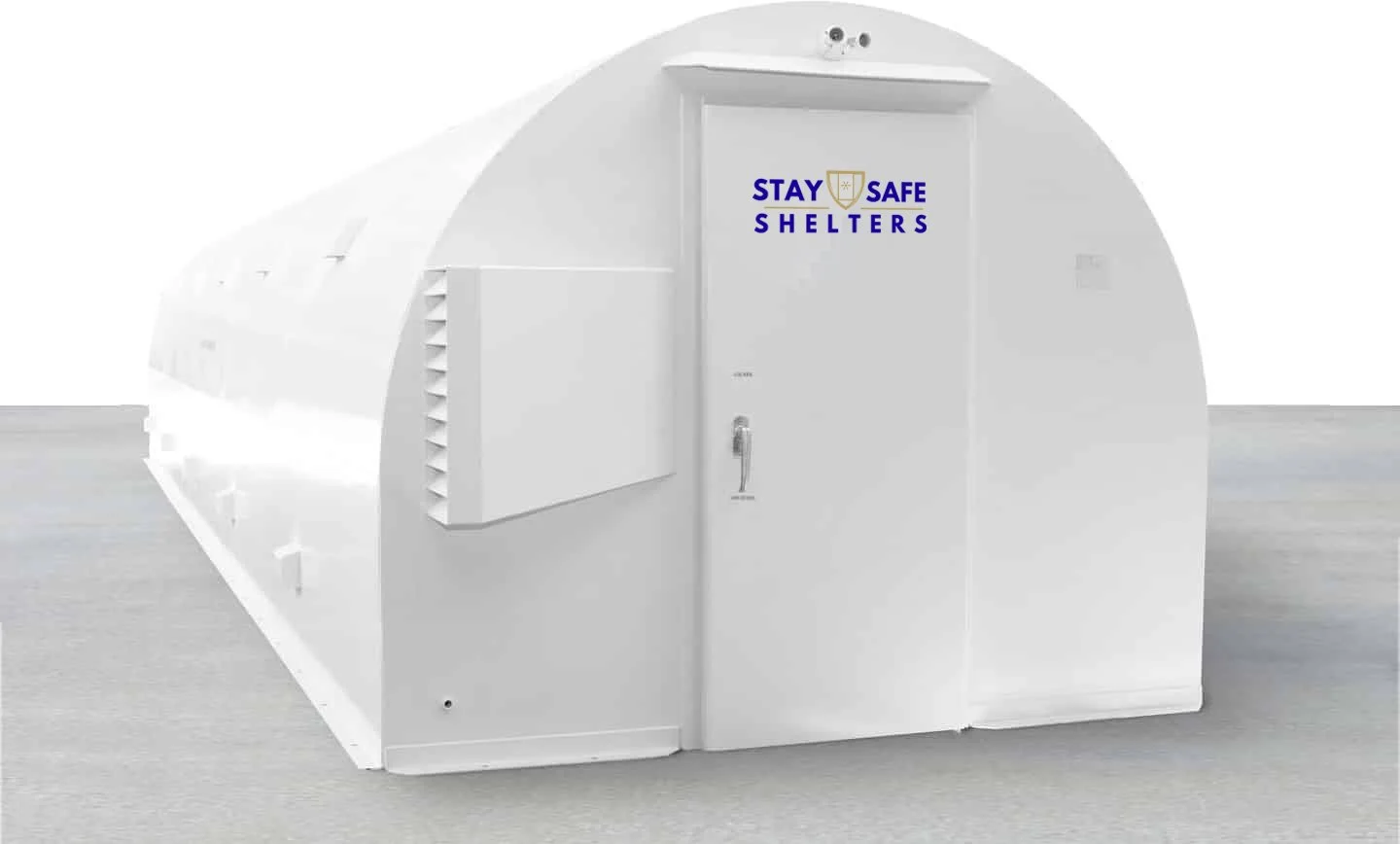
Keeping students, staff, and visitors safe during severe weather is a top priority for schools. In states like Florida, where tornadoes, severe thunderstorms, and hurricane-related wind events can develop quickly, having a reliable storm shelter on campus is essential.
Above-ground storm shelters provide a practical, accessible, and code-compliant solution for school storm safety—offering life-saving protection without the challenges of underground construction.
The Unique Storm Safety Challenges Schools Face
Schools must account for large groups of people, limited reaction time, and the need for orderly movement during emergencies. Unlike private homes, campuses require shelters that are:
Easily accessible for students of all ages
Large enough to accommodate groups
Compliant with safety codes and accessibility requirements
Able to withstand extreme wind and debris impact
Above-ground shelters are designed to meet these challenges while supporting fast, organized sheltering during severe weather events.
Fast Access Is Critical in School Emergencies
During a tornado warning, schools often have only minutes to act. Above-ground shelters can be strategically placed within buildings, gyms, hallways, or near classrooms—eliminating the need for students to go outdoors or down stairwells during dangerous conditions.
This immediate accessibility reduces panic, improves accountability, and supports faster, safer sheltering procedures for students and staff.
Designed to Withstand Tornado-Force Winds and Flying Debris
Above-ground storm shelters are engineered to withstand tornado-force winds and high-velocity debris. Constructed from reinforced steel or similarly durable materials, these shelters are tested to meet or exceed FEMA and ICC 500 standards.
For Florida schools, this level of protection is critical, as severe storms often include intense winds combined with heavy rain and rapidly changing conditions.
FEMA and ICC-Compliant Solutions for Schools
While FEMA does not approve individual shelters, it provides strict design guidelines for school and community safe rooms through FEMA P-361. Above-ground shelters designed to meet these guidelines are suitable for educational facilities and other public-use environments.
Many above-ground shelters also comply with ICC 500 standards, which are commonly referenced by local building codes and school district requirements.
ADA Accessibility and Inclusive Safety
Above-ground shelters are easier to design with ADA accessibility in mind, making them suitable for students, staff, and visitors with mobility challenges. Features such as wide doorways, level entry, and interior space planning support inclusive safety for everyone on campus.
This accessibility is often more difficult to achieve with underground shelter designs.
Cost-Effective and Low-Disruption Installation
Installing underground shelters on school campuses can be expensive and disruptive, requiring excavation, drainage systems, and extended construction timelines. Above-ground shelters can often be installed with minimal disruption to daily school operations.
For schools operating within tight budgets and schedules, above-ground shelters provide a cost-effective solution without compromising safety.
Flexible Placement Across Campus
Above-ground storm shelters can be installed in a variety of campus locations, including:
Inside existing buildings
Near portable classrooms
In gymnasiums or multi-use spaces
As standalone shelters near playgrounds or athletic fields
This flexibility allows schools to improve storm safety coverage across the entire campus.
Why Above-Ground Shelters Make Sense for Florida Schools
Florida’s high water table, frequent storms, and large student populations make above-ground shelters a practical choice for campuses. They eliminate flooding concerns associated with underground shelters while providing high-level protection against wind and debris.
Above-ground shelters also support faster evacuation plans and better emergency preparedness—key considerations for school administrators and boards.
Conclusion: A Smart Investment in Student Safety
Above-ground storm shelters offer schools a reliable, accessible, and code-compliant way to protect students and staff during severe weather. With proven performance, flexible placement, and minimal installation disruption, they are a smart investment in campus safety.
For Florida schools seeking dependable storm protection, above-ground shelters make sense—today and for years to come.