Why Florida’s High Water Table Makes Underground Shelters a Risk
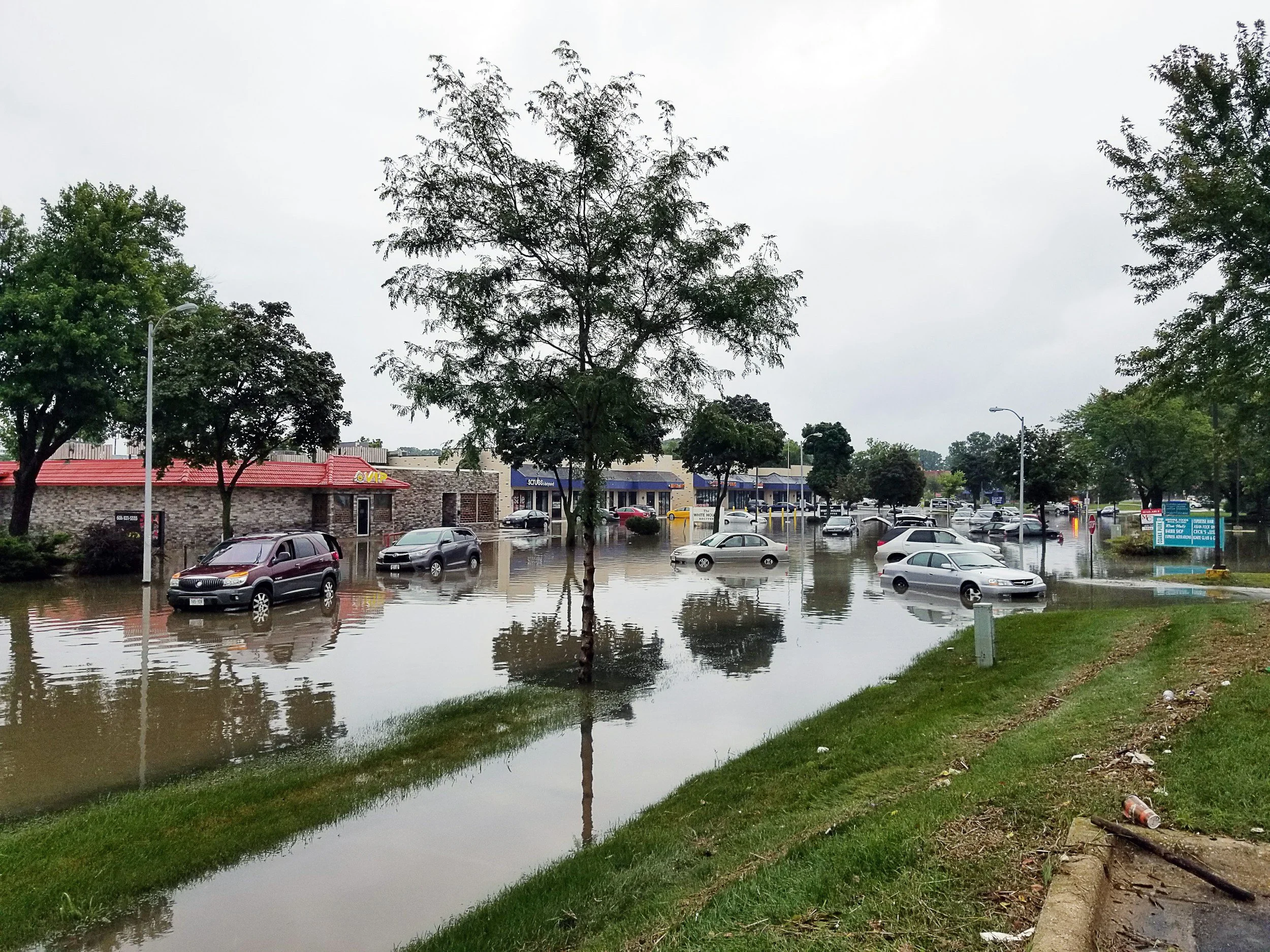
When you think of a "storm shelter," your mind probably goes straight to the classic underground bunker. It’s what we see in the movies and what they use in the Midwest. But in Florida, the rules of the game are different.
Between our unique geology and the constant threat of water, digging deep can actually create more problems than it solves. Here is why above-ground shelters are the gold standard for the Sunshine State.
1. The "Floating Bunker" Problem
Florida is essentially a giant limestone shelf with a very high water table. In many parts of Central Florida, you only have to dig a few feet before you hit water.
When the ground becomes saturated during a heavy storm or hurricane, hydrostatic pressure builds up. This pressure can actually push an underground shelter upward. In extreme cases, poorly anchored underground units have been known to "pop" out of the ground like a cork in a bathtub, destroying the surrounding foundation and rendering the shelter useless.
2. Mold, Mildew, and Maintenance
Even if an underground shelter stays put, keeping it dry is a constant battle. Florida’s humidity and groundwater are relentless.
Seepage: Over time, concrete can hair-line crack and seals can fail, leading to standing water.
Air Quality: Damp, dark environments are breeding grounds for mold. For families with respiratory issues or allergies, an underground shelter can quickly become an unsafe environment.
Our Above-Ground Residential Shelters stay bone-dry, utilize your home’s existing climate control, and require zero pumping or heavy cleaning.
3. The "30-Second Rule"
In a Florida tornado, you often have mere seconds to react.
Accessibility: Underground shelters usually require navigating a ladder or steep stairs. For seniors, children, or those with mobility issues, this is a major safety hazard.
Debris Traps: If a storm damages your home, debris can pile up on top of an underground hatch, trapping you inside.
Our units, like The Guardian and The Fortress, feature out-swinging doors and floor-level entry. You can walk (or roll a wheelchair) right in, close the door, and be safe in seconds.
4. Built for the Florida Slab
Most Florida homes are built on "slab-on-grade" foundations. Installing an underground unit after the home is built is a massive, expensive construction project that involves cutting through your foundation.
An above-ground Stay Safe Shelter can be bolted directly to your reinforced garage slab or a dedicated outdoor pad in just one day—no massive excavation required.
Stop Guessing, Start Planning
Don't wait until the sirens are active to wonder if your home is strong enough. Because of Florida's unique terrain, an above-ground, steel-reinforced safe room isn't just an option—it’s the smartest choice you can make for your family.
Not sure which size fits your garage? Give us a quick call at (352) 659-SAFE (7233). We can give you the exact dimensions for our Guardian or Fortress models right over the phone and help you decide on the best placement for your home.